
A pathway for healthcare to join the design disciplines
An Academic Movement:
Rethinking the Representational Space of EHRs
Our Mission
We are a team of healthcare practitioners, researchers and academics working towards bringing fully connected patient plans to hospitals all across Canada. We are determined to lighten the cognitive load physicians carry and in return provide efficient care to patients.
We collaborate with learners, academics and industry partners to iteratively define, refine and empirically study the impact of first generation Patient Care Design Tools in live clinical teaching environments.
∀urora Constellations is a research initiative based in Thunder Bay Ontario Canada and has received support from the institutes in our region such as Lakehead University, Thunder Bay Regional Health Research Institute, and The Northern Ontario School of Medicine.
Our Collaborators



Meet Our Team
-
![]()
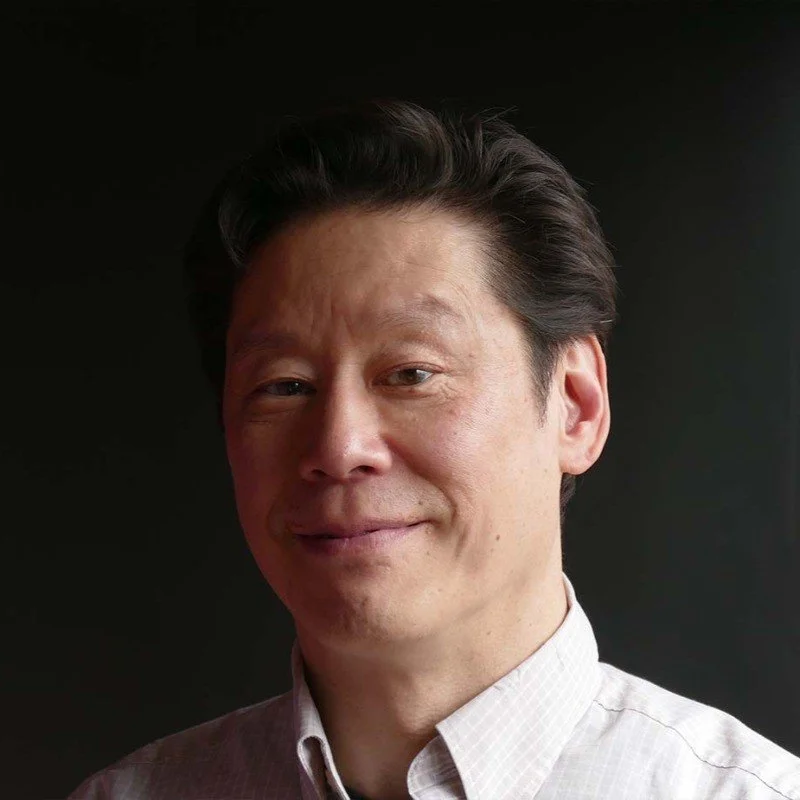
Dr. Arnold F. Kim
FOUNDER / INVENTOR
Over 35 years of clinical experience and software engineering which kindled interests in philosophy, epistemology and mathematics. This led to “seeing the sameness of different things” and a mission to prove that healthcare should join with the “design disciplines” in their extensive use of Computer Aided Design for meaningful and efficient synthesis rendering and generation within multi-disciplinary team environments, as well as collaboration with higher dimensional modeling systems. -
![]()
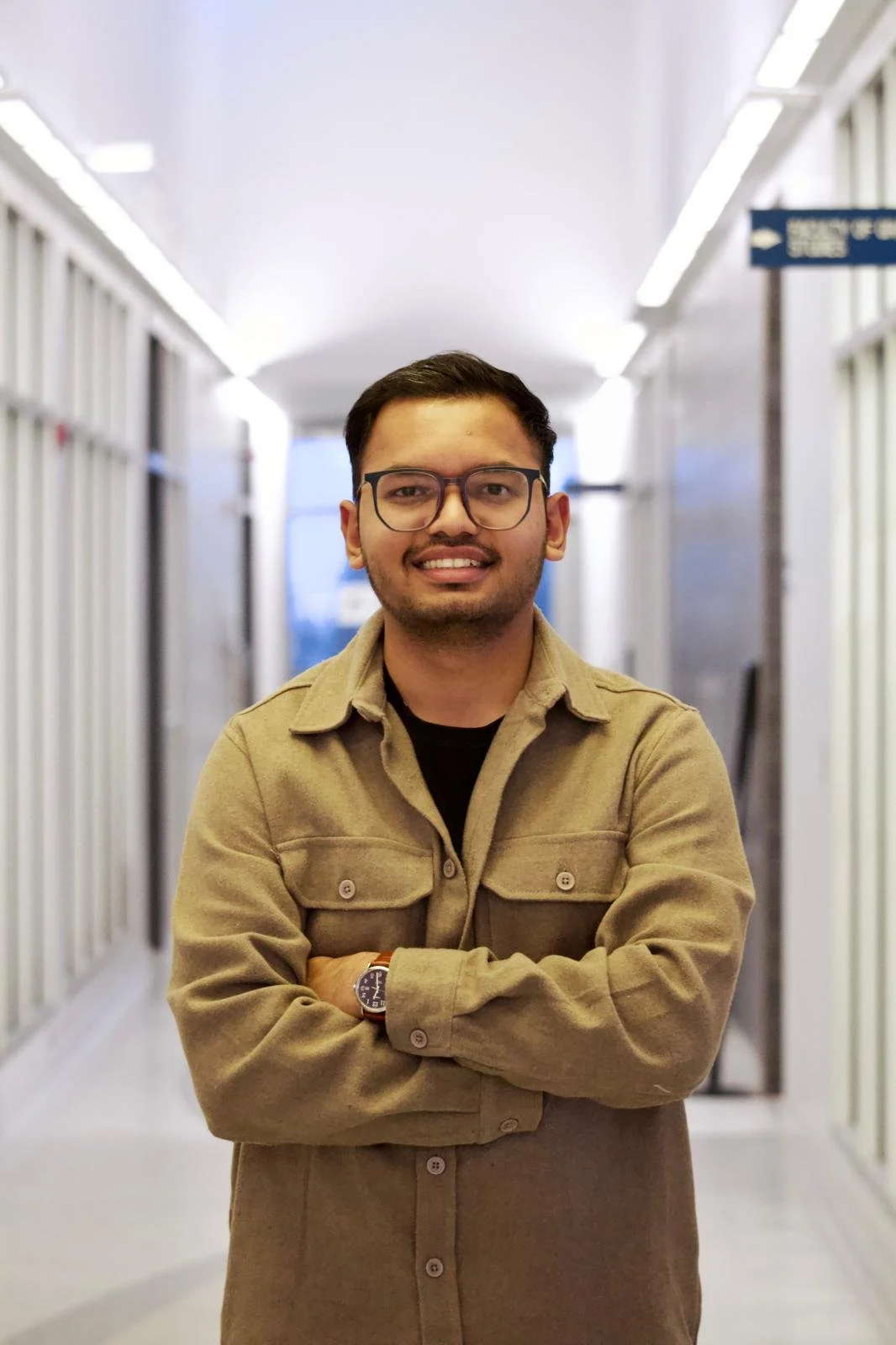
Yash Amethiya
SOFTWARE DEVELOPER
Yash holds a Master of Science in Computer Science from Lakehead University and brings experience as a software developer, specializing in functional programming, Neurosymbolic AI, and Domain-Specific Languages. He is pursuing a PhD in Health (Health System Management & Health Data Analytics) at York University, where his research focuses on applying design disciplines and CAD principles to redesign EHR systems and improve healthcare delivery. -
![]()
L. I.
PRINCIPAL SOFTWARE ENGINEER
L.I. holds a Masters of computer science and a bachelors degree in bioinformatics. Throughout her career as a full-stack developer, her focus has revolved around the use of strongly typed languages such as Scala and Typescript, the manipulation and visualization of domain specific languages, as well as the application of abstract algebra to complex computing tasks. She also has strong research interests in the realm of health informatics. -
![]()
Sarthak Kaushik
FULL STACK DEVELOPER
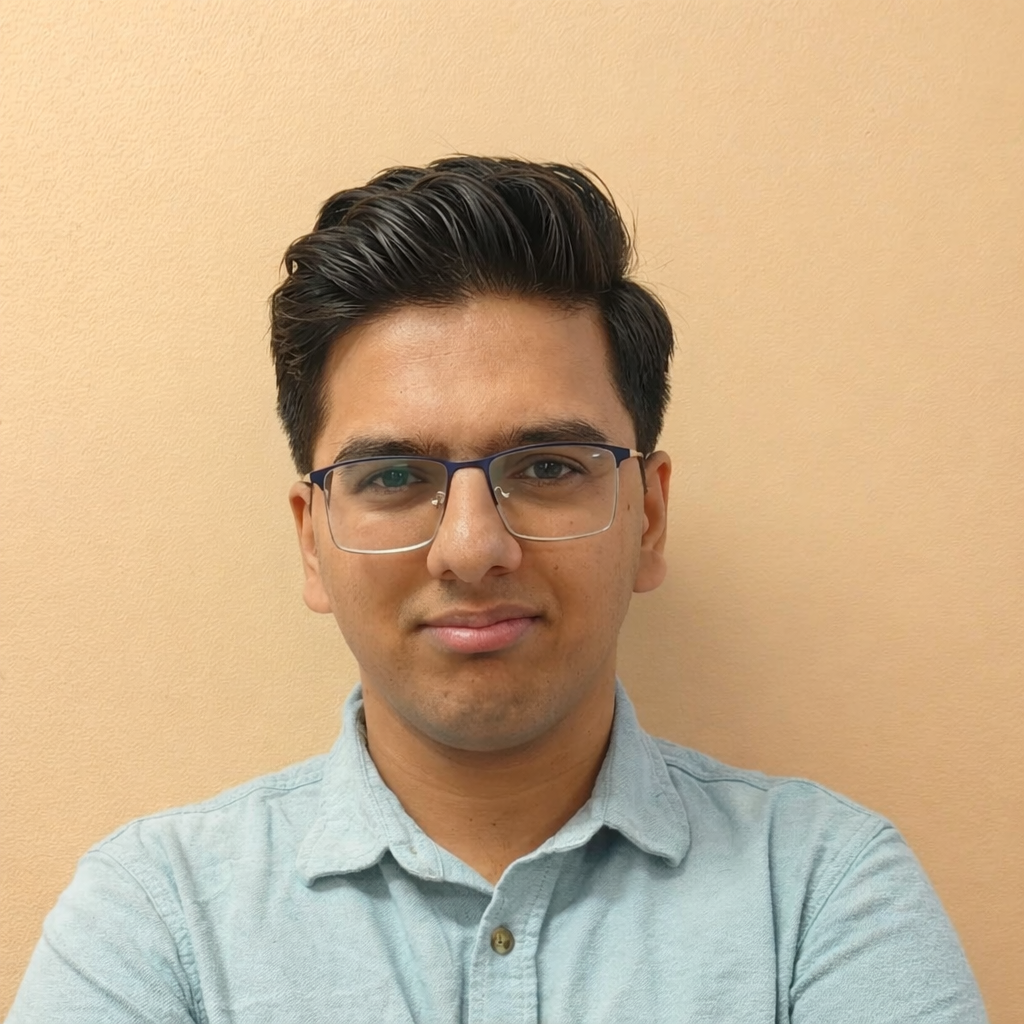
Saki is a software engineer with more than eight years of industry experience across front-end, back-end, mobile, blockchain, IoT, and AI development. He holds a master’s degree in Computer Science, with research focused on generative AI for medical visual question answering. At ∀urora Constellations, he is developing scalable patient-care modelling tools using Scala, ZIO, Langium, and Sprotty to streamline clinical workflows and support better care planning.

A better workflow:
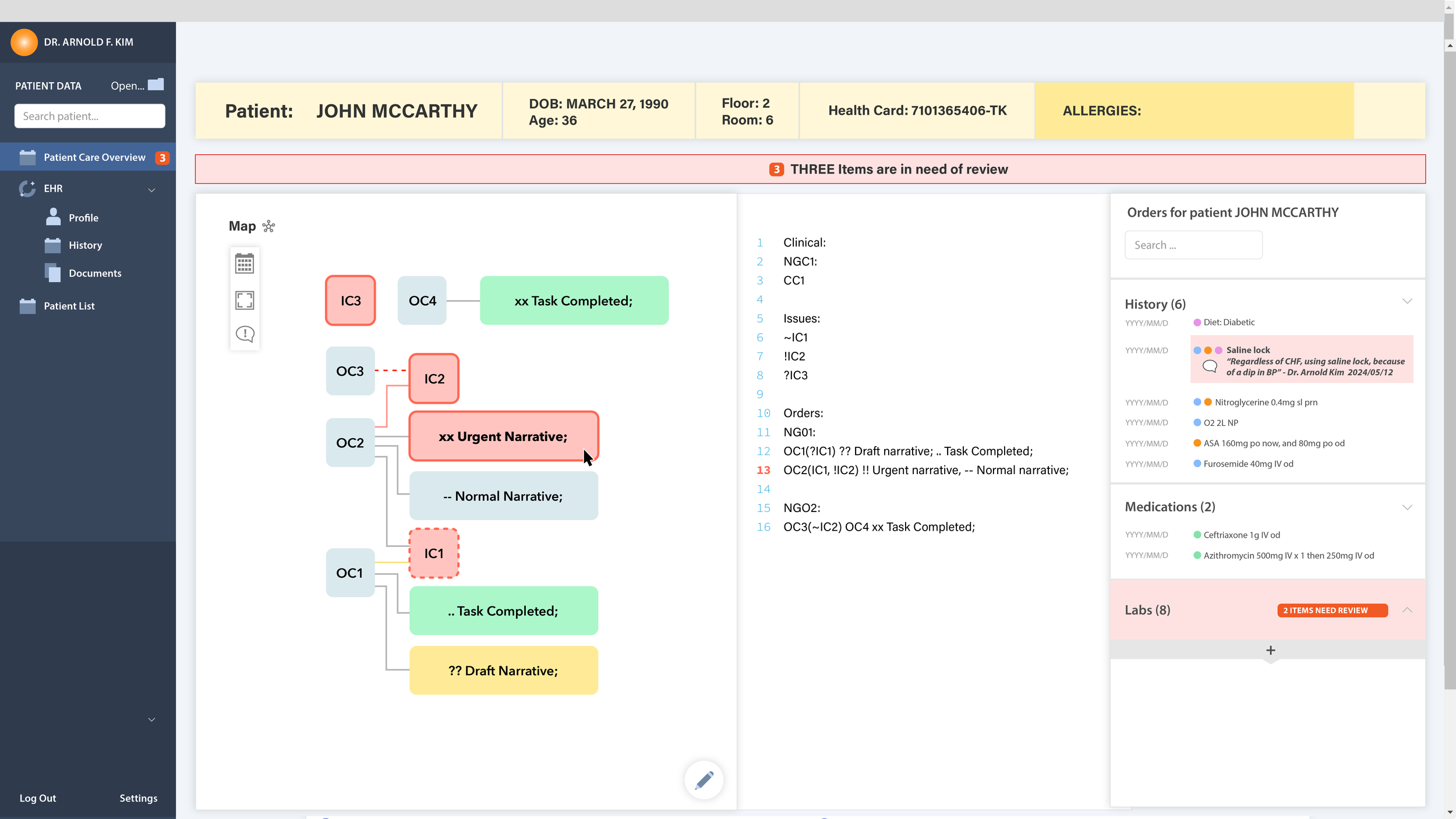
Our team is developing a software prototype that unifies physicians on a design-driven platform, replacing fragmented data entry with a continuous text workspace. This streamlined approach reduces cognitive load, boosts efficiency, and enhances patient care.
-
Aurora gives physicians the ability to create readable medical plans that are more time efficient. This will save time in the creation of records, adjustments to the medical plans and signovers to the next physician coming in.
-
Being able to see connections in patient data and view them in a graph form allows healthcare professionals to quickly get up to date on the issues at hand and provide help.
-
Aurora looks to change how medical records are formed, instead of traditional order sets we look to bring the patient plan into one continuous and organized workflow space.
-
Contemporaneous learning is to learn at point of care instead of switching processes. Aurora provides physicians with information needed to support their decision at time of need.
-
Highlight important information, add in exclamations, and be creative in the ways we make crucial information stand out.
If you ask almost any doctor, nurse, or hospital clinician about their biggest daily frustration, chances are they won't say complex medical diagnoses. They'll say their software. Modern Electronic Health Record (EHR) systems were originally created to replace paper charts, but over time, healthcare software became cluttered, repetitive, and difficult to navigate…
Read more
In a formal synthesis, relationships between concepts are of paramount importance to ease cognitive burden, allow for deterministic validation and inferences, better data analytics and many opportunities for inline and downstream automation and interoperability. The fundamental thesis of this initiative is essentially driven by seeking useful structural similarities between healthcare and the many differing design disciplines…
Read more
During the diagnosis, treatment and management of medical conditions, the sheer volume of information that a healthcare provider must consider is colossal. It seems as though there is no feasible way to condense it all onto one small computer screen, and any attempt to do so would be similar to trying to view a large room from a keyhole. This is because EHRs present discrete concepts using static spatial allocation of widgets to represent data types. Accessing all the information needed in order to…
Read more
Connect with us
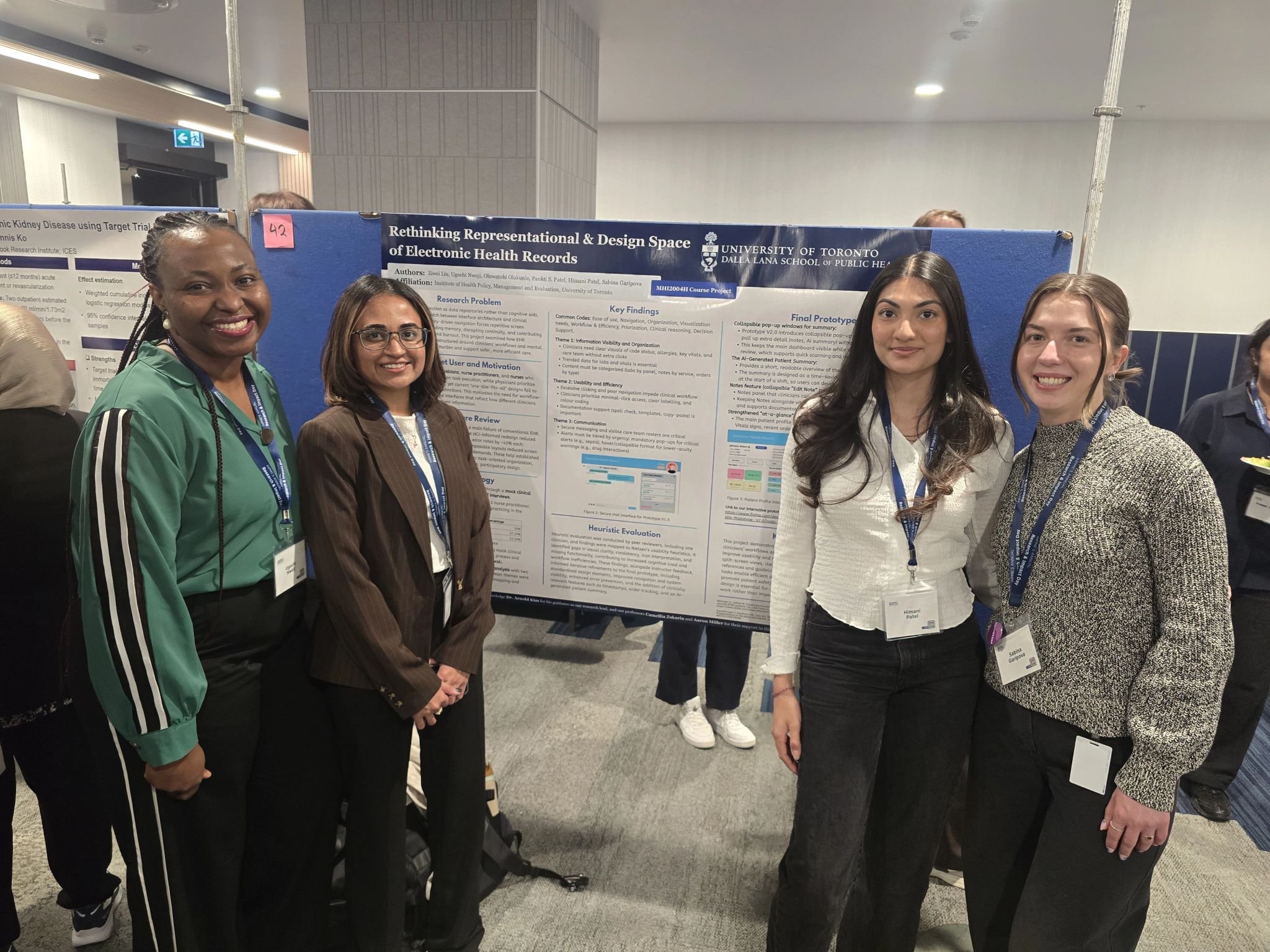
Collaboration with Dalla Lana Institute of Health Policy and Management, Masters Program
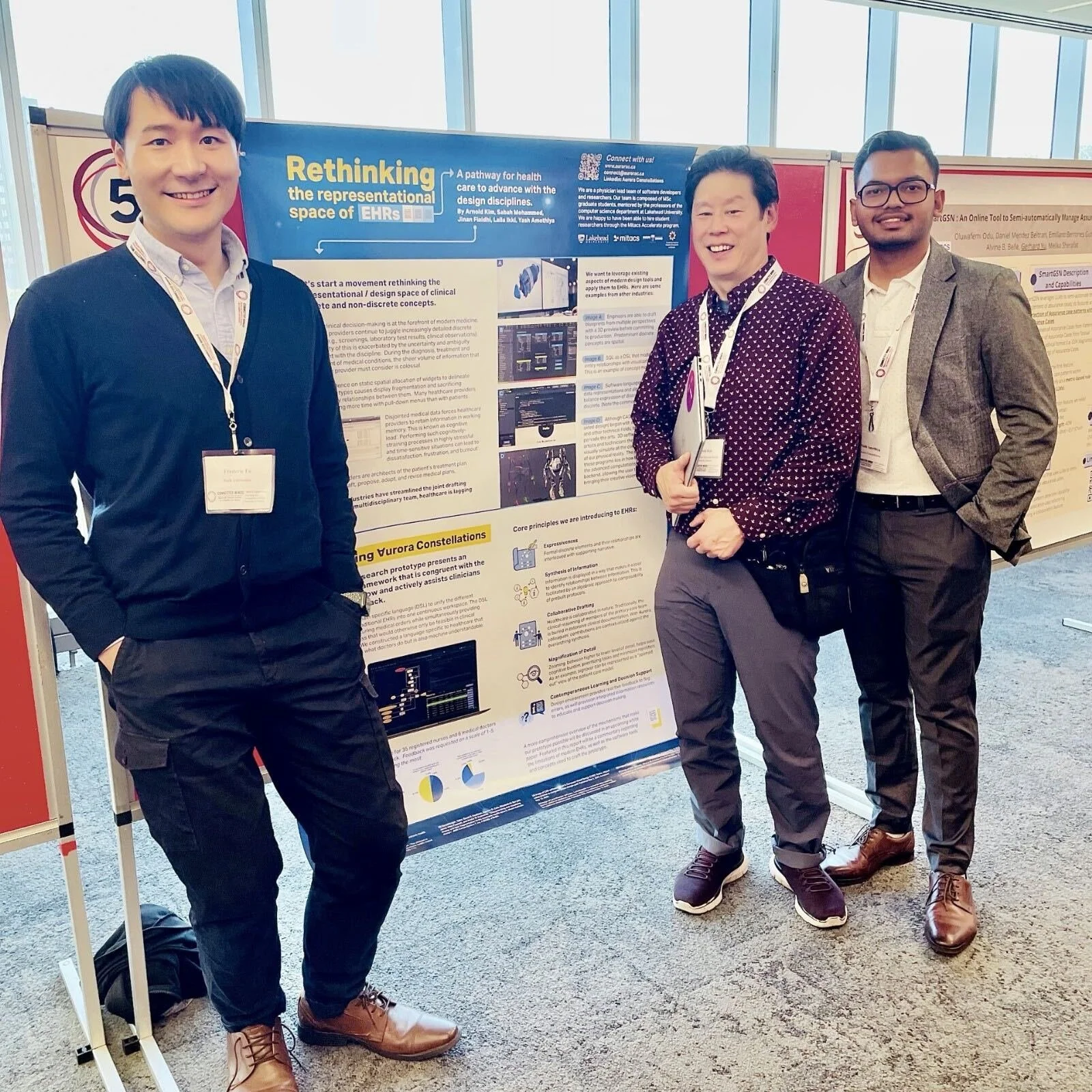
Connected Minds Conference
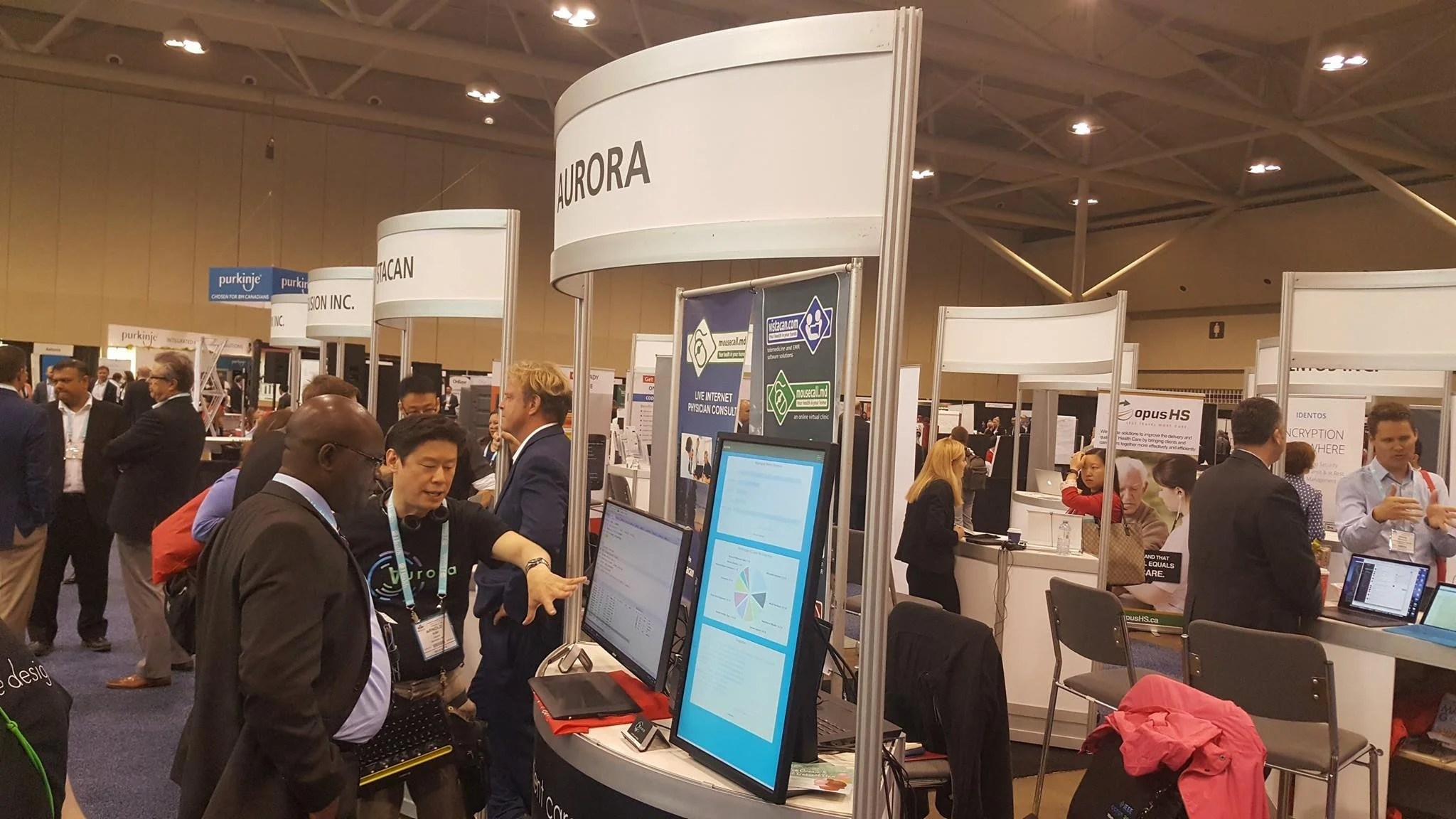
Canadian E-Health and Trade Show Conference
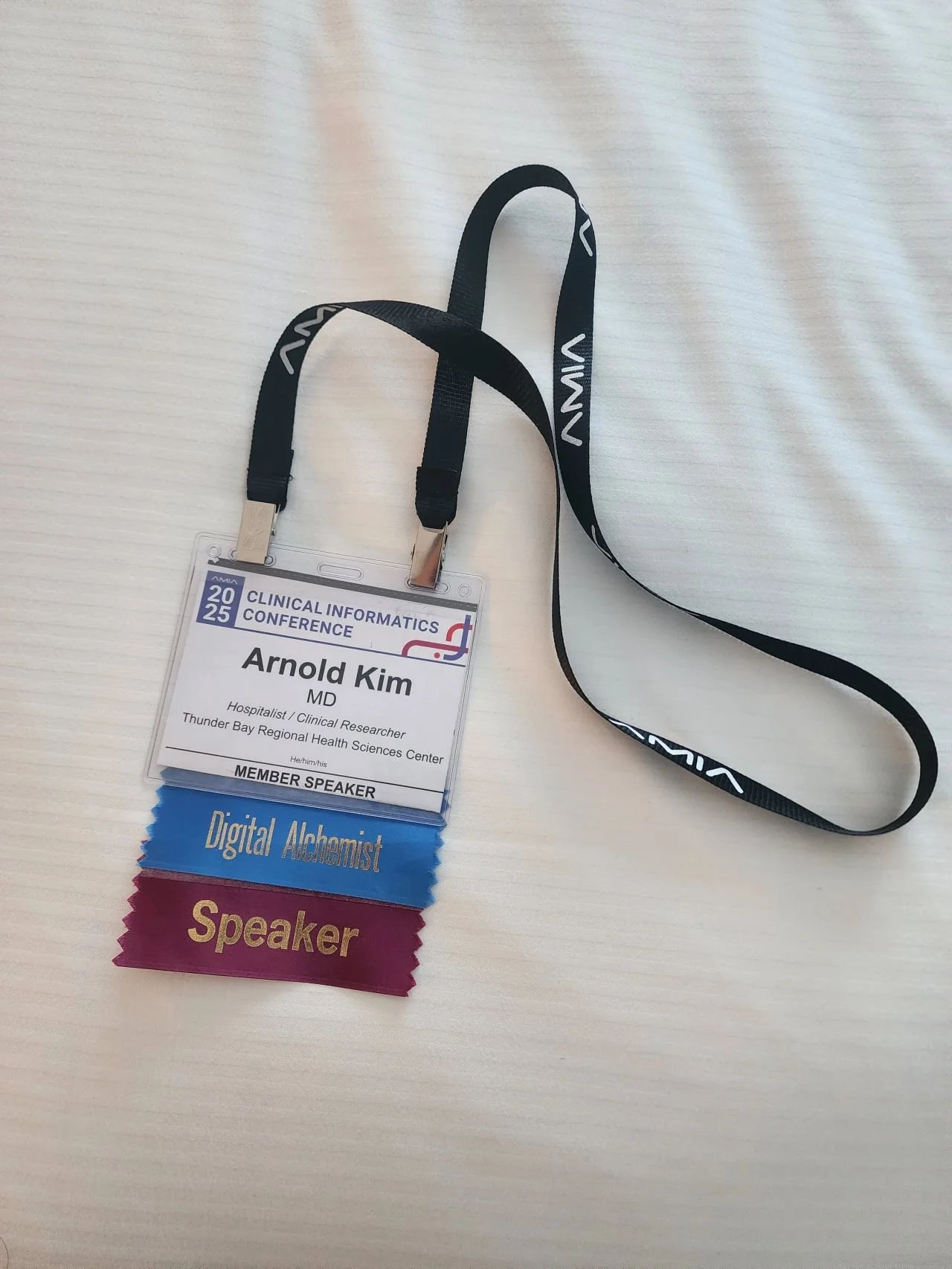
AMIA Conference - California

Collision Conference
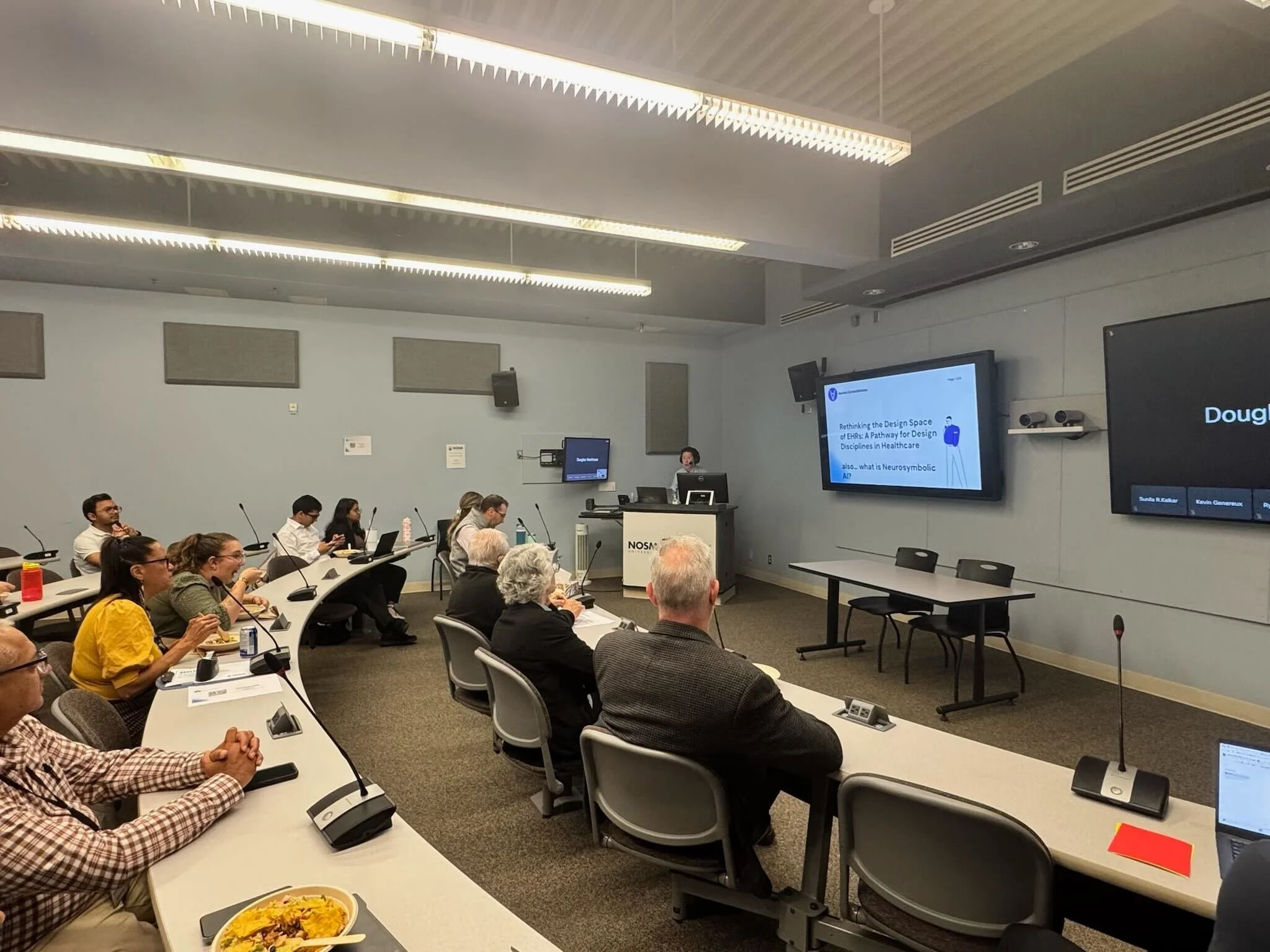
AI-North Presentation
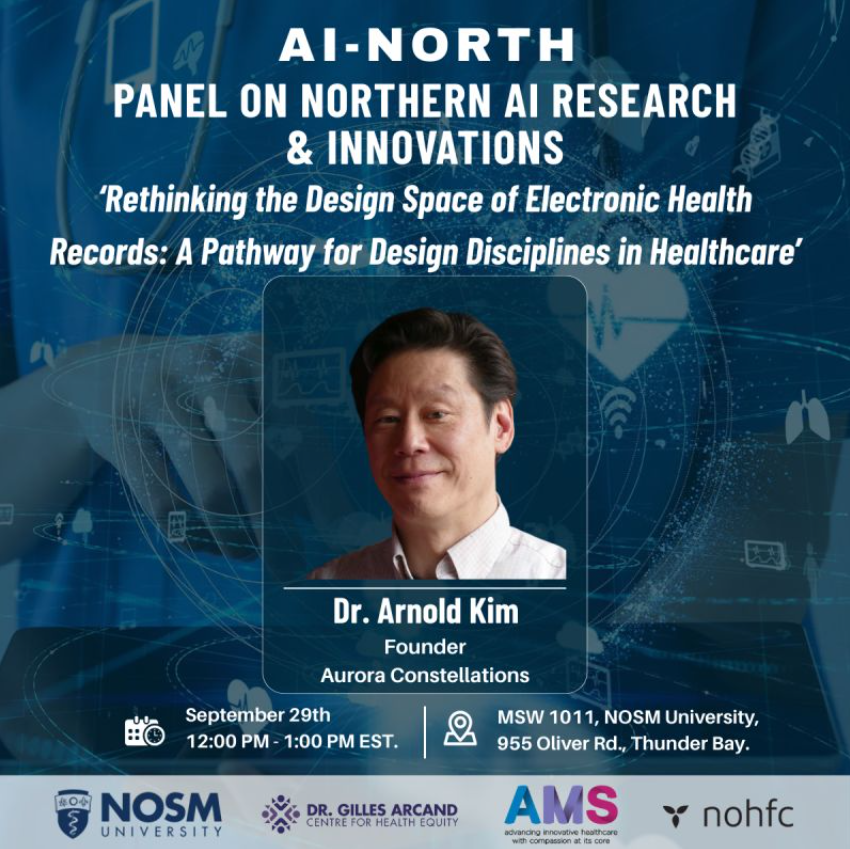
AI-North Presentation
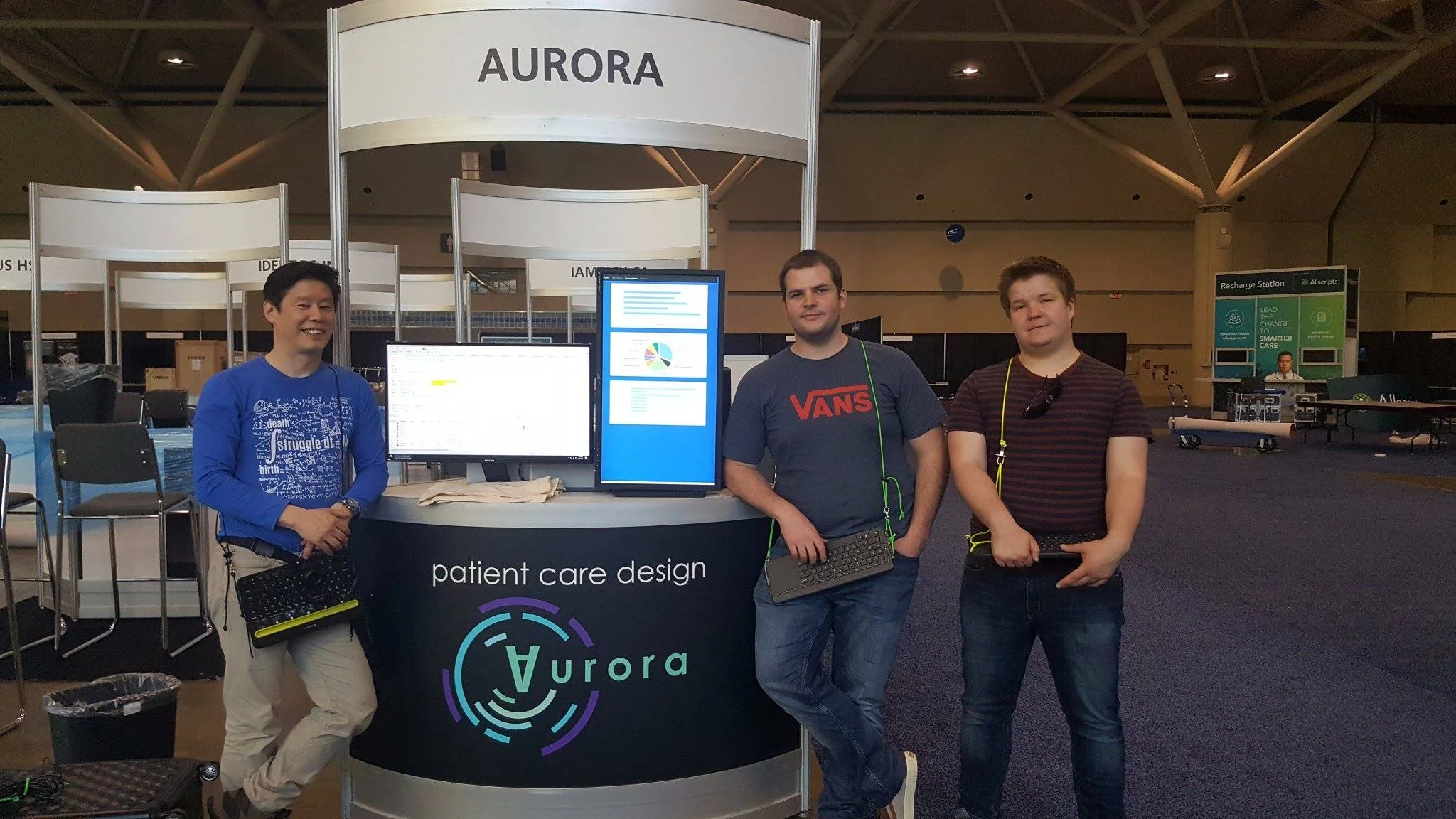
Canadian E-Health and Trade Show Conference
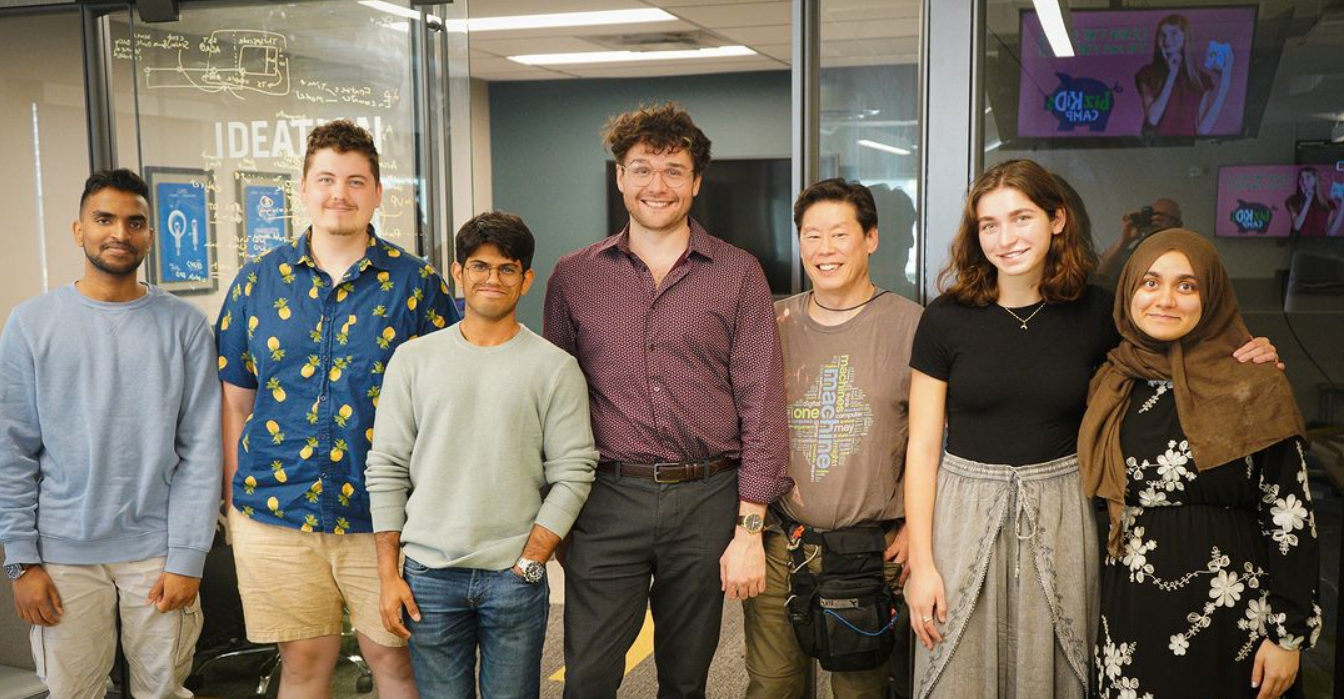
Team photo 😁
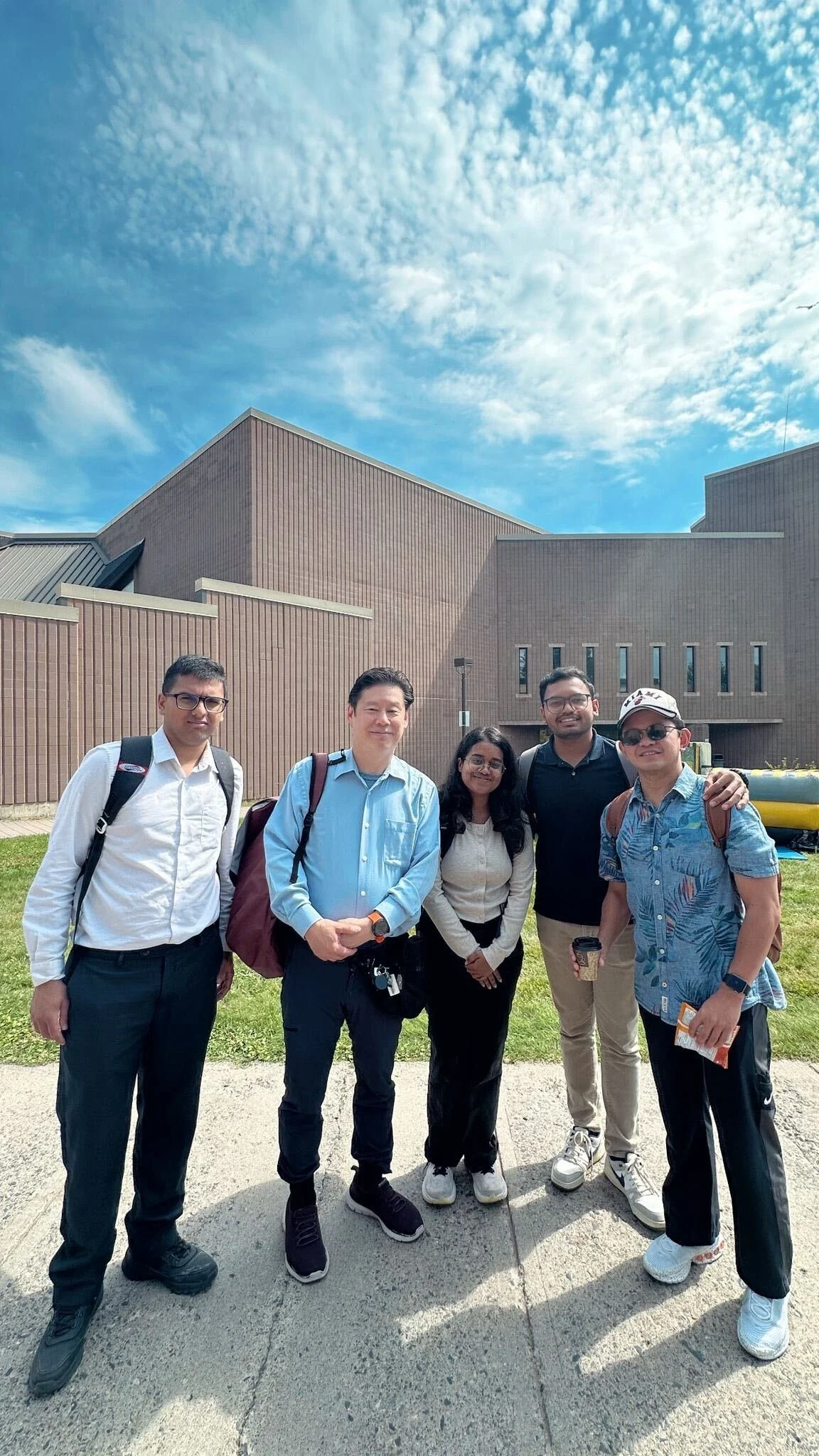
Team photo 😁
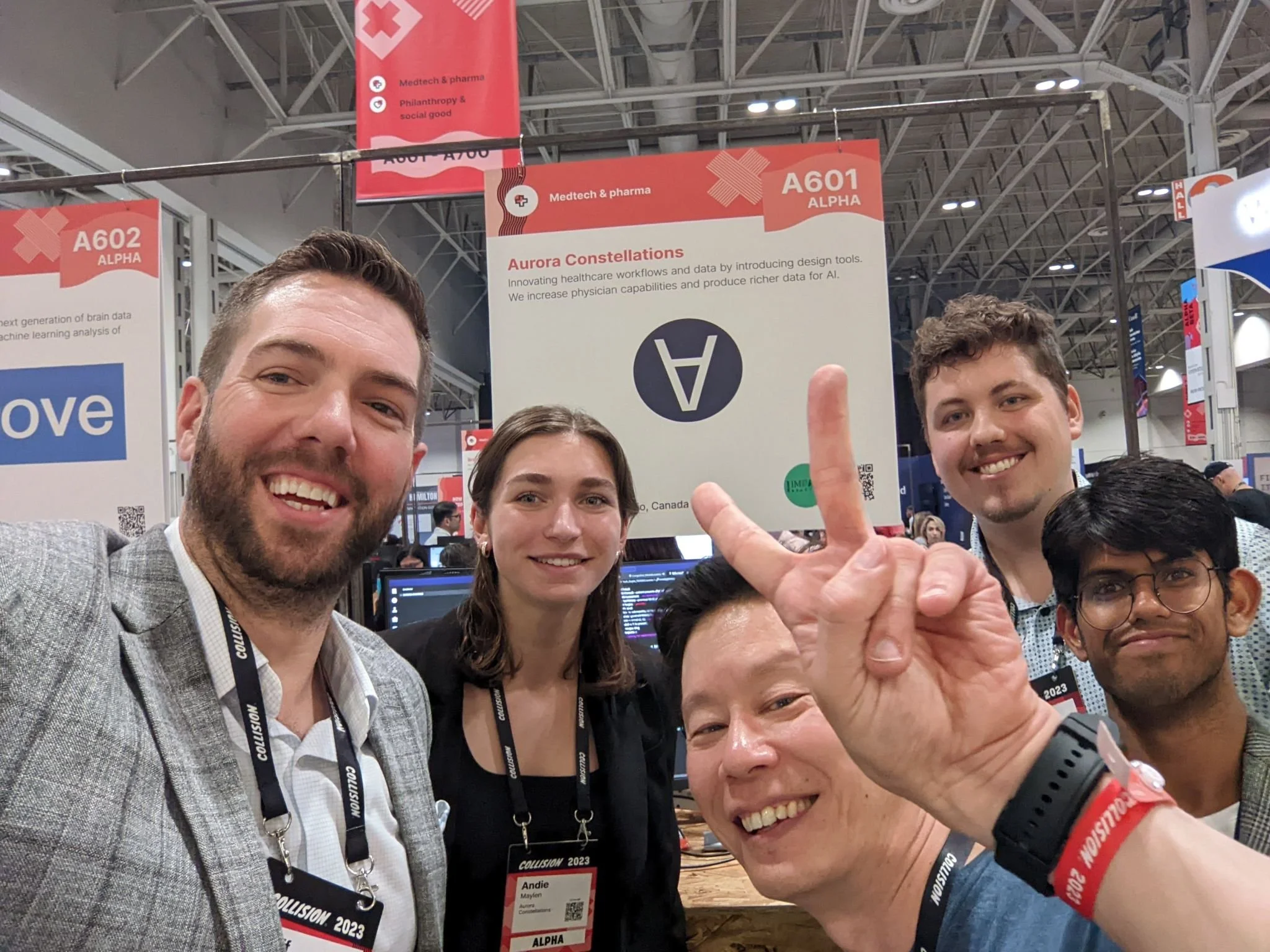
Collision Conference
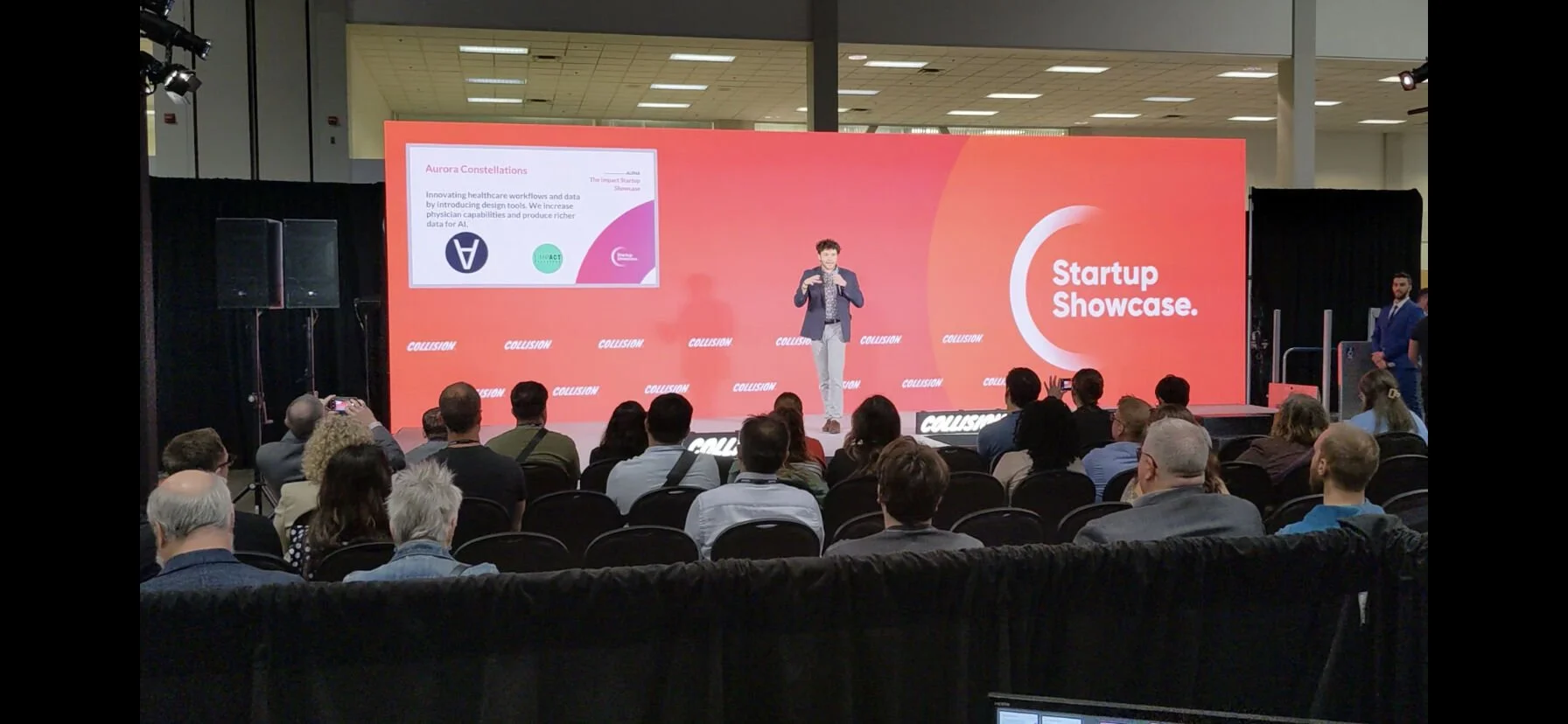
Collision Conference
Ready to explore what’s possible?
Our team is open to building connections and creating partnerships.
Fill out the form or email us at connect@aurorac.ca